 Jed Nilson
Nobody here is fixed
Jed still gets it wrong some weeks, and those weeks make the show. This is a record of the work, not a victory lap taken afterward.

Jed Nilson spent thirty years building houses in Northern Utah. Then he had to rebuild himself. This is the conversation he wishes someone had recorded while he was doing it.
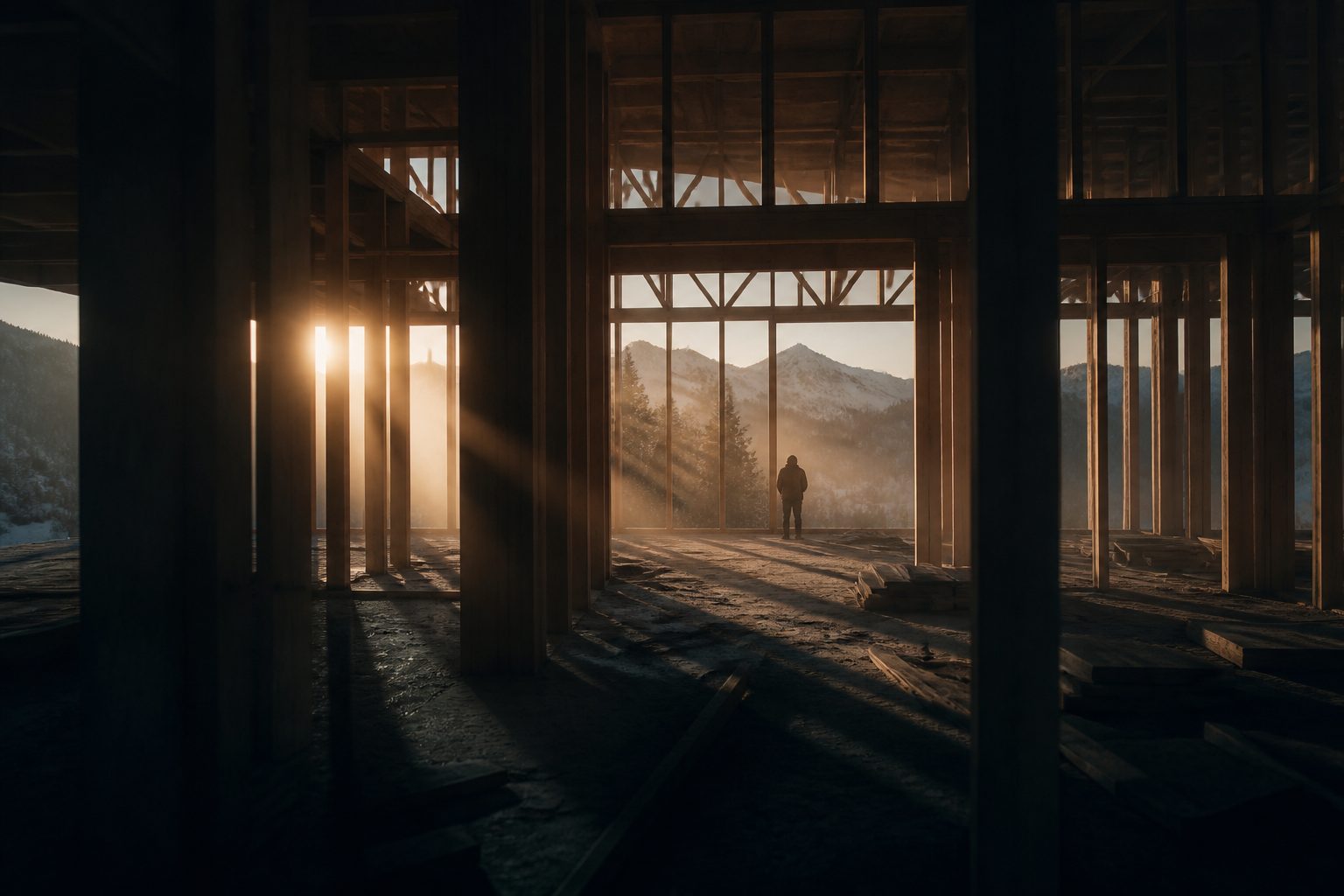
Jed still gets it wrong some weeks, and those weeks make the show. This is a record of the work, not a victory lap taken afterward.
Not "prioritize rest." What time he goes to bed, what he does when he wakes at three, and the thing he stopped doing entirely in order to make room for it.
No protocol, no tier, no thirty day challenge. When something worked he says so, and then he tells you what it cost him to get there.
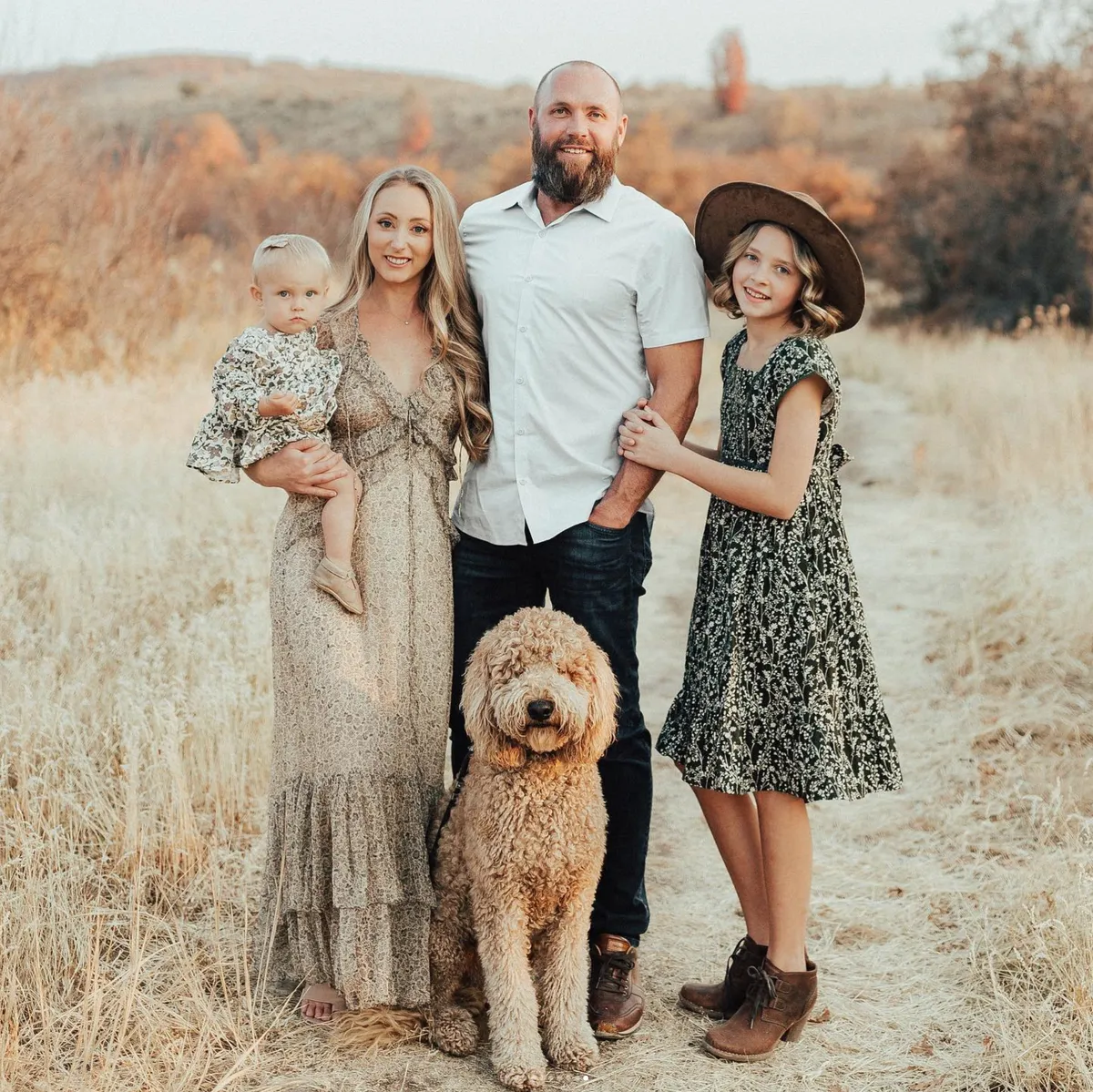
Jed grew up in the family construction business in Ogden and took it over from his father. He can walk a framed wall and tell you what the crew did and in what order. Load paths, footings, the sequence a thing has to be built in so that it stands up. He was good at it early.
The same man who could read a set of plans could not tell you what he needed on a Tuesday afternoon.
What he found in recovery was that the structural thinking transferred. You do not fix a settling house by repainting the cracks. You go under it. The order matters, the foundation goes first, and the parts nobody sees are the parts holding it up.
That is the whole show. A builder taking the same approach to a person.

Sleep, cold, breath, food, movement. Not a wellness stack, but the boring infrastructure that decides whether the rest of it is even available to you that day.
What recovery actually asks of a person, in the plain language of someone who has been doing it long enough to stop performing it.
Jed runs a real company with real payroll. What money is for, what it fixed, what it did not touch, and why the word abundance stopped meaning what he thought it meant.

Conversations with the ones who were in the room. Sponsors, teachers, his wife, the crew who kept showing up. Fewer experts, more witnesses.
The first season is finished. It goes out every other Tuesday from the week episode one drops.
The version of the story Jed has never told on a stage, including the part he still does not like saying out loud. It is the only episode he recorded twice.
On being the person everyone calls for help and having no idea how to ask for it.
The hour Jed used to dread, what he does with it now, and why he stopped trying to sleep through it.
Two years of cold water, minus the evangelism. What changed, what did not, and the week he quit.
Running a company while you are coming apart, and what he owed the people who work for him.
A fifty year old contractor in a beginner class, and why he kept going back after the first one went badly.
Every episode ends with one practice. They collect here, so the show leaves you with a shelf instead of a feeling.






Jed did not work any of this out alone, and the show does not pretend otherwise. Half of season one is other people talking while he stays out of the way.
What Jed is working on, what he got wrong that week, and the one practice from the next episode. It goes out whether or not there is an episode.
No sequence, no upsell. Leave whenever you want.
Listening is not the same as doing it with people. The Circle meets on a video call, capped small enough that everyone talks.
One hour, first Wednesday, evenings Mountain time
One practice from the season, worked through together
Jed is on the call, not a moderator standing in for him
Capped at twenty so nobody sits silent for an hour


This is one person's account of what worked for him. It is not treatment, and it is not a replacement for a doctor, a therapist, or a meeting. If you are in crisis, call someone tonight rather than listening to a podcast.
Ask anything. It stays anonymous unless you say otherwise, and Jed reads them himself rather than having them screened first.

Both, and that is the point. Jed did not stop running a construction company while he got sober. The episodes move between the two because his weeks did.
No. Roughly half of season one is about sleep, work, money, and staying honest with the people around you. Those apply whether or not you ever had a drink.
The podcast and the Sunday letter are free and stay free. The Circle costs money because it is twenty people and an hour of Jed's evening. Nothing else is planned.
Between forty minutes and an hour. They are chaptered and transcribed, so you can read one in ten minutes if that suits you better.
Ten episodes are recorded. The launch date goes out to the Sunday letter first, so that list is the way to hear about it before it is anywhere else.

Put your email in and episode one arrives the morning it goes up, with the Sunday letter until then.